D5 Land Services
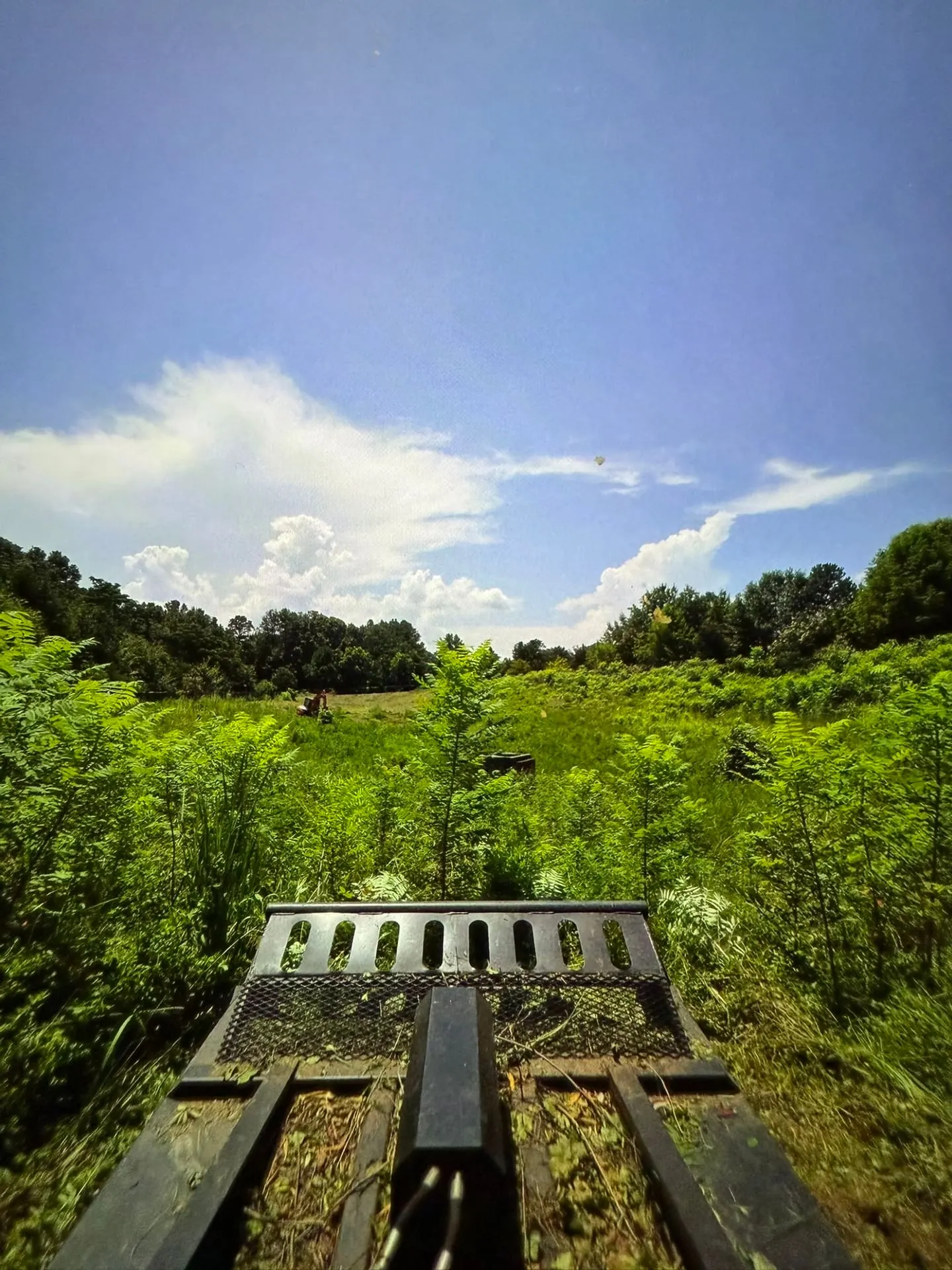
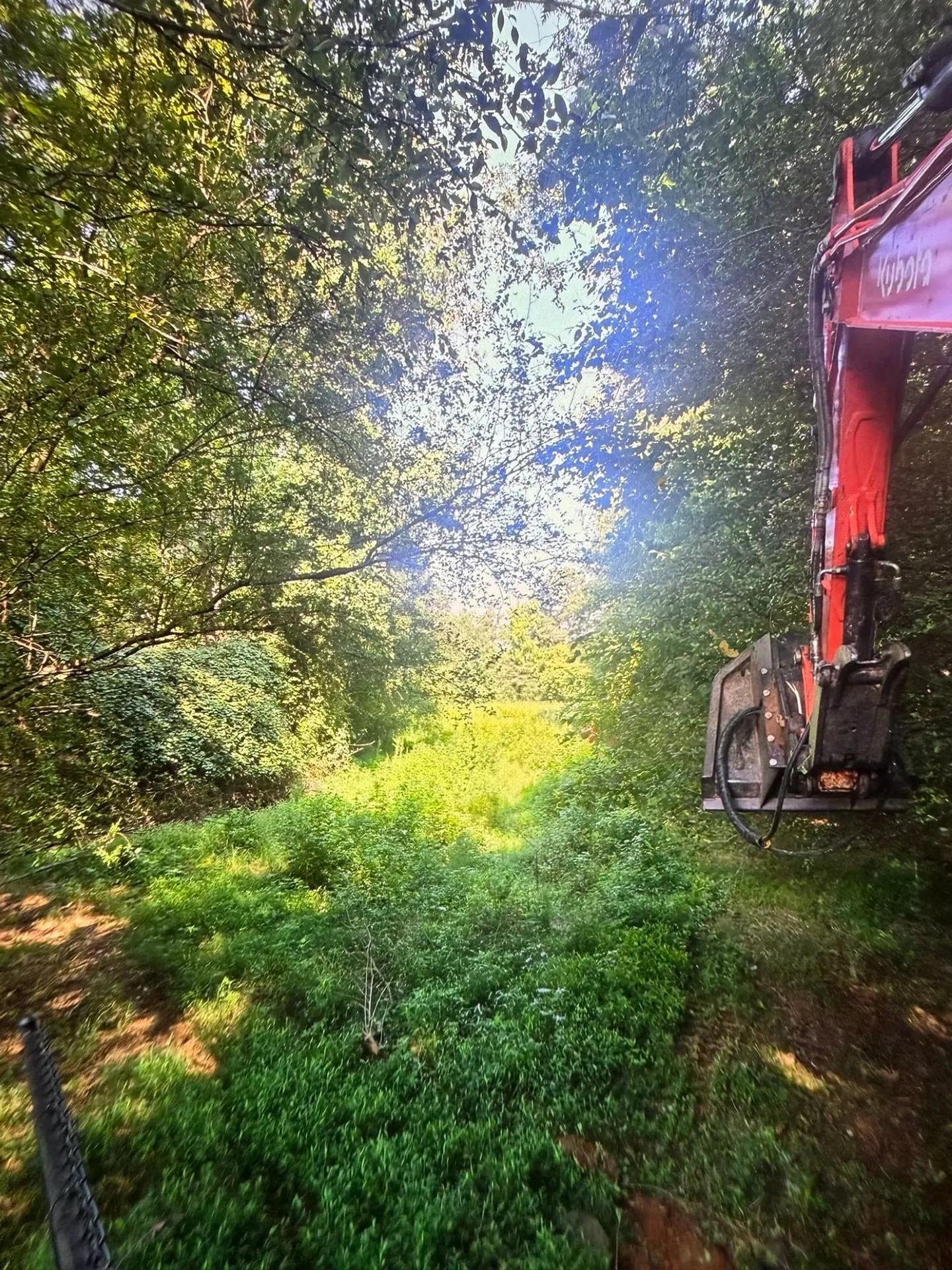
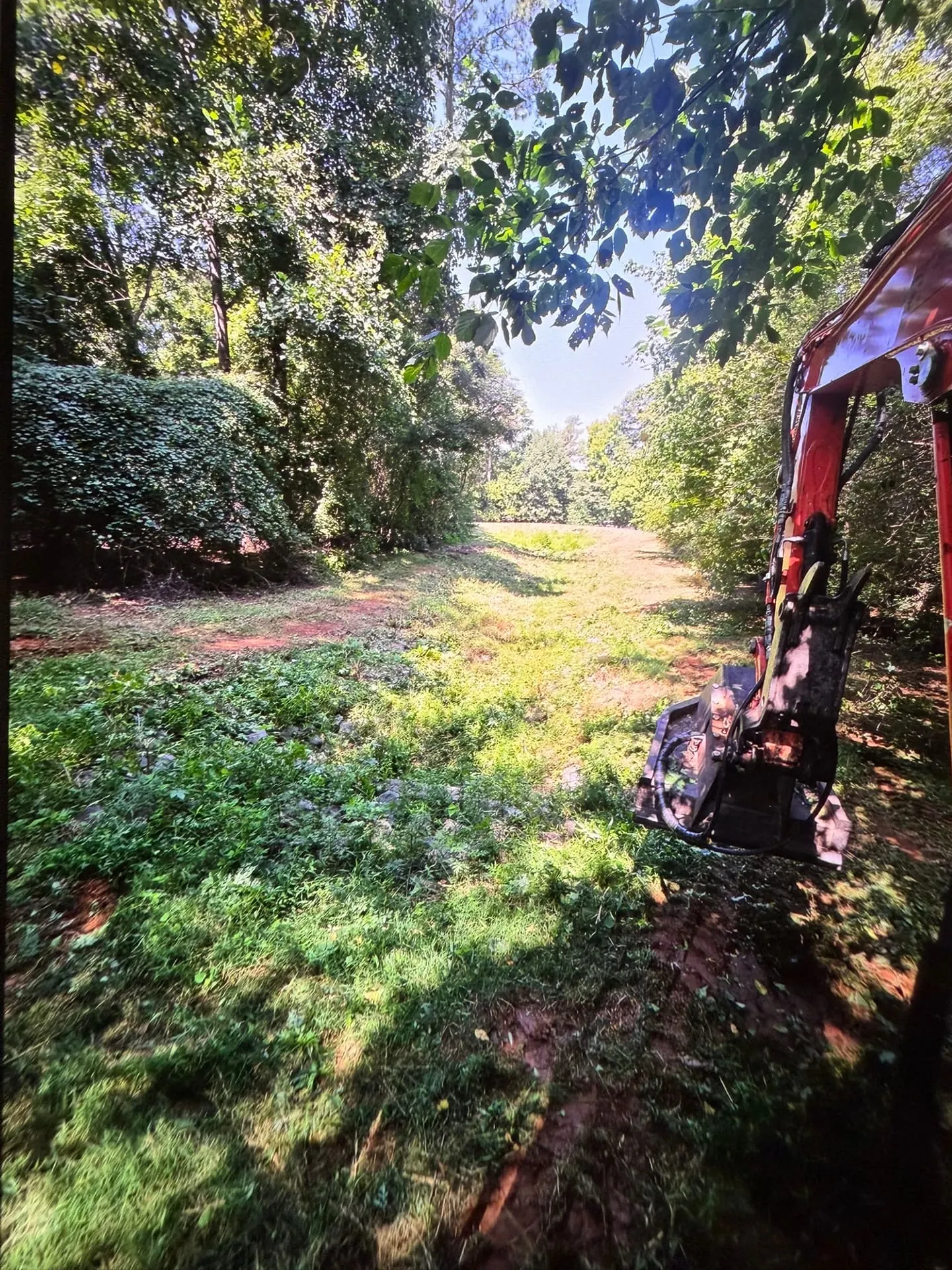
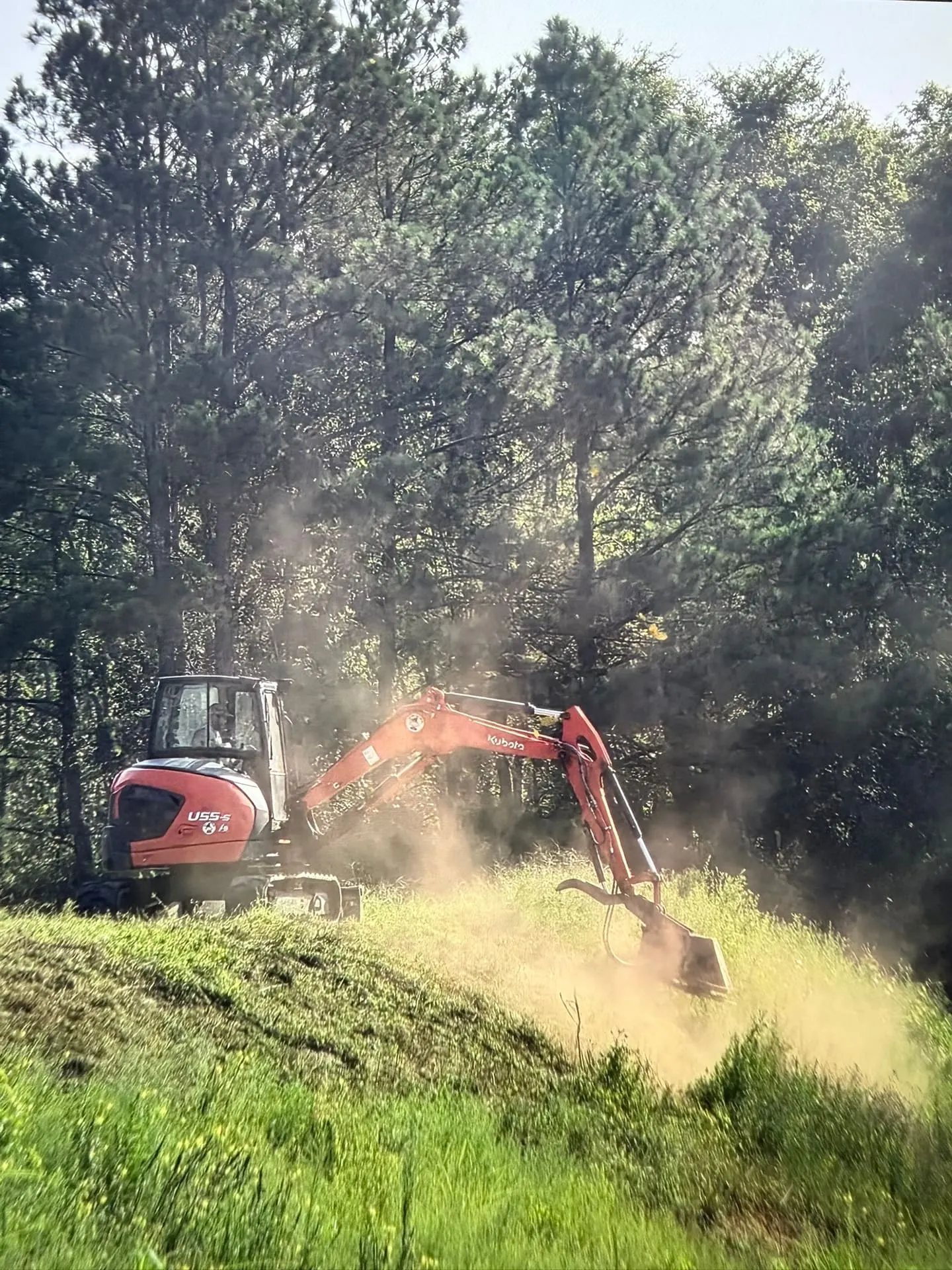
Mini excavator cutting tall brush on an overgrown hillside near Athens, GA

Athens, GA

Brush cutting
for overgrown ground.

D5 Land Services cuts back overgrown brush for homeowners in and around Athens, Georgia. Thick undergrowth, saplings, briars and vines get cut down and mulched in place, so a backyard, fence line, pasture or wooded edge you gave up on is open and usable again. A few acres or one corner of the yard, it gets the same careful job.

What brush cutting covers

Brush cutting is for growth you can't mow: thick weeds and briars, privet and other shrubs, vines, and young trees that have filled in a yard or field. We cut it down to the ground and chop it into mulch that stays on the property and breaks down there.

It's the fastest way to get your land back when what's there is mostly green growth. If the job is bigger trees, stumps or roots coming out of the ground, that's land clearing instead, and we'll tell you which one your property needs when we look at it.

  • Backyards that have grown up behind the house
  • Fence lines and property lines you can't walk anymore
  • Old pastures and fields going back to brush
  • Wooded edges, trails and paths through the trees
  • Ditches and banks too rough for a mower
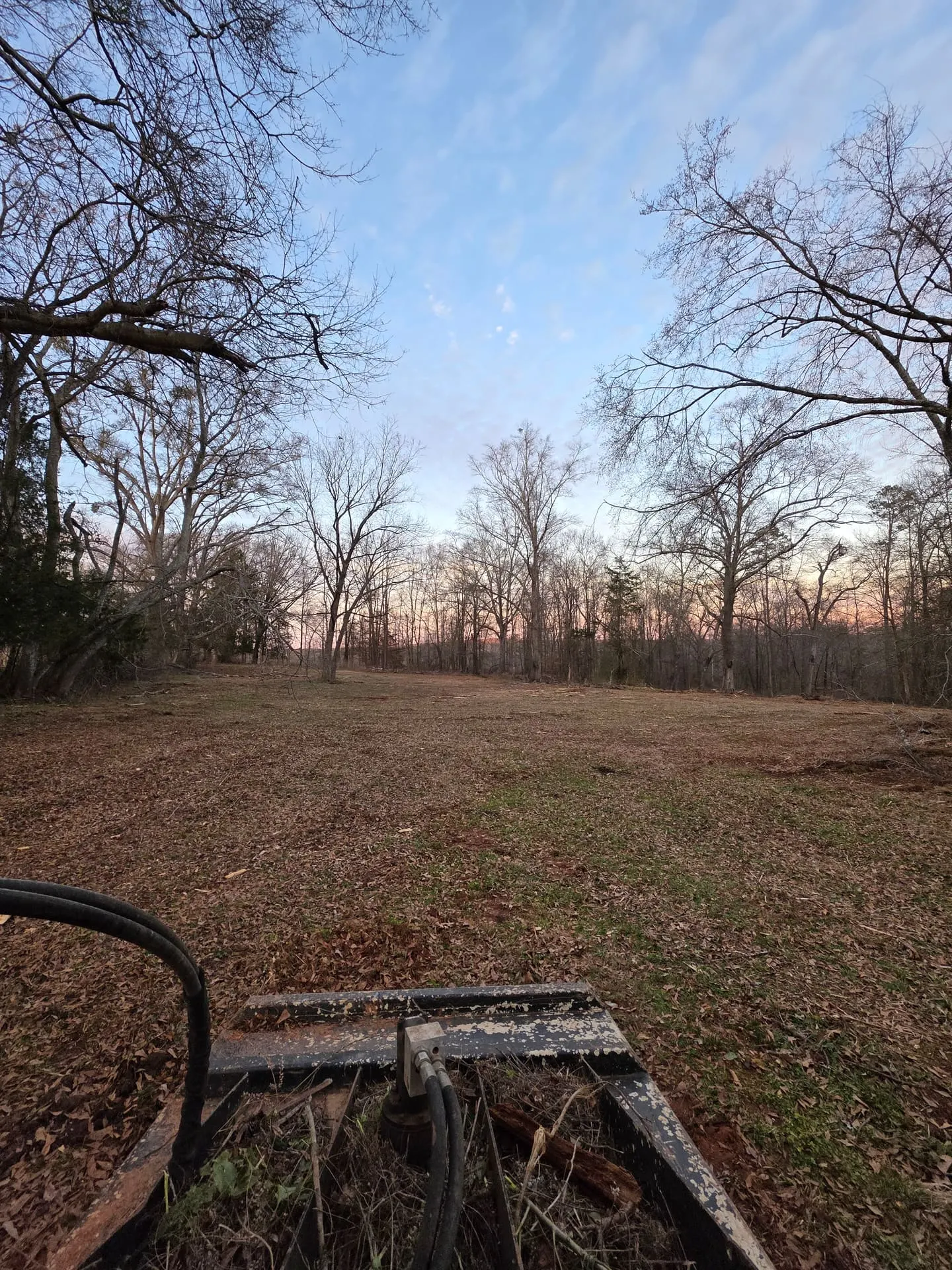
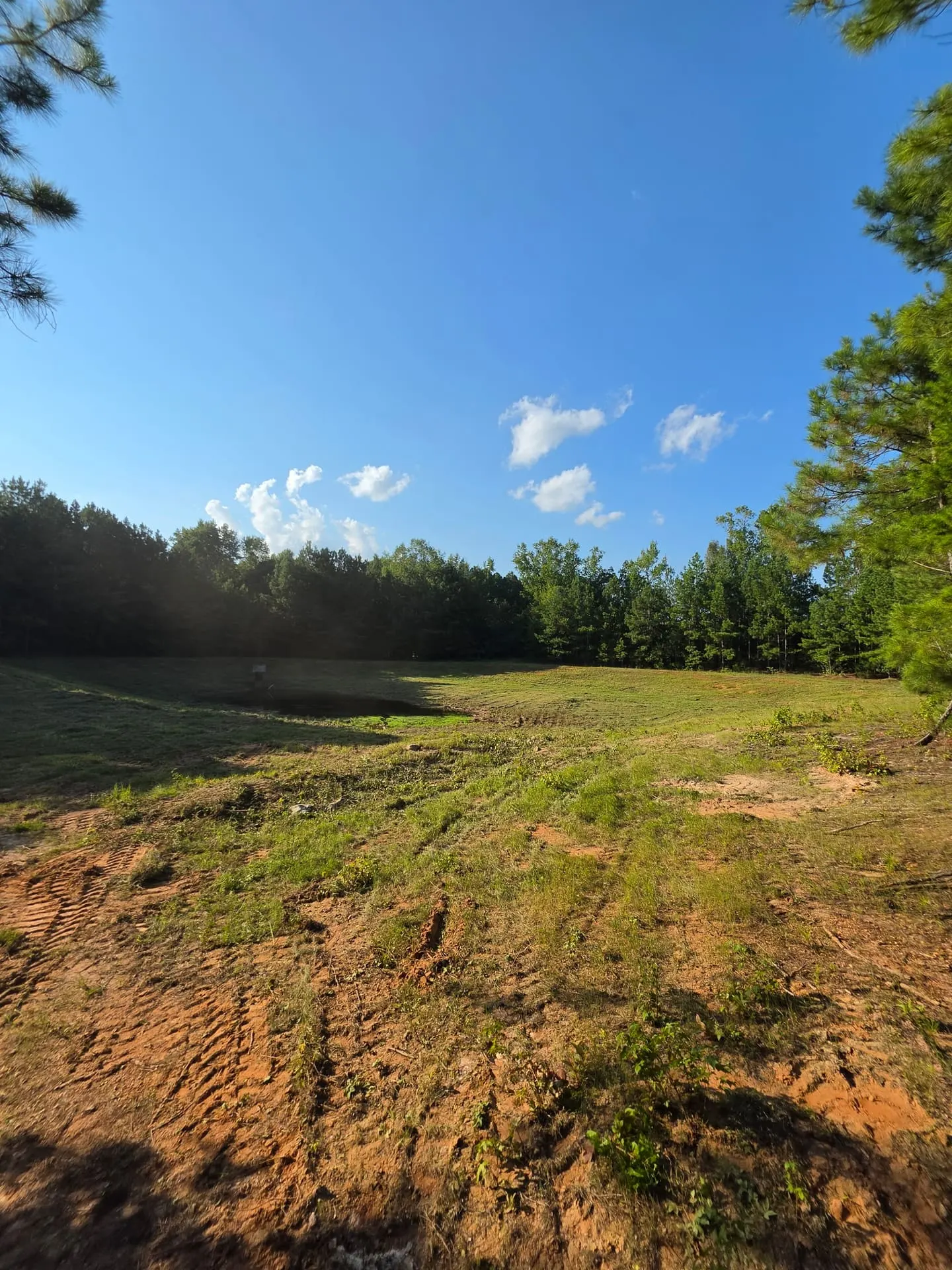
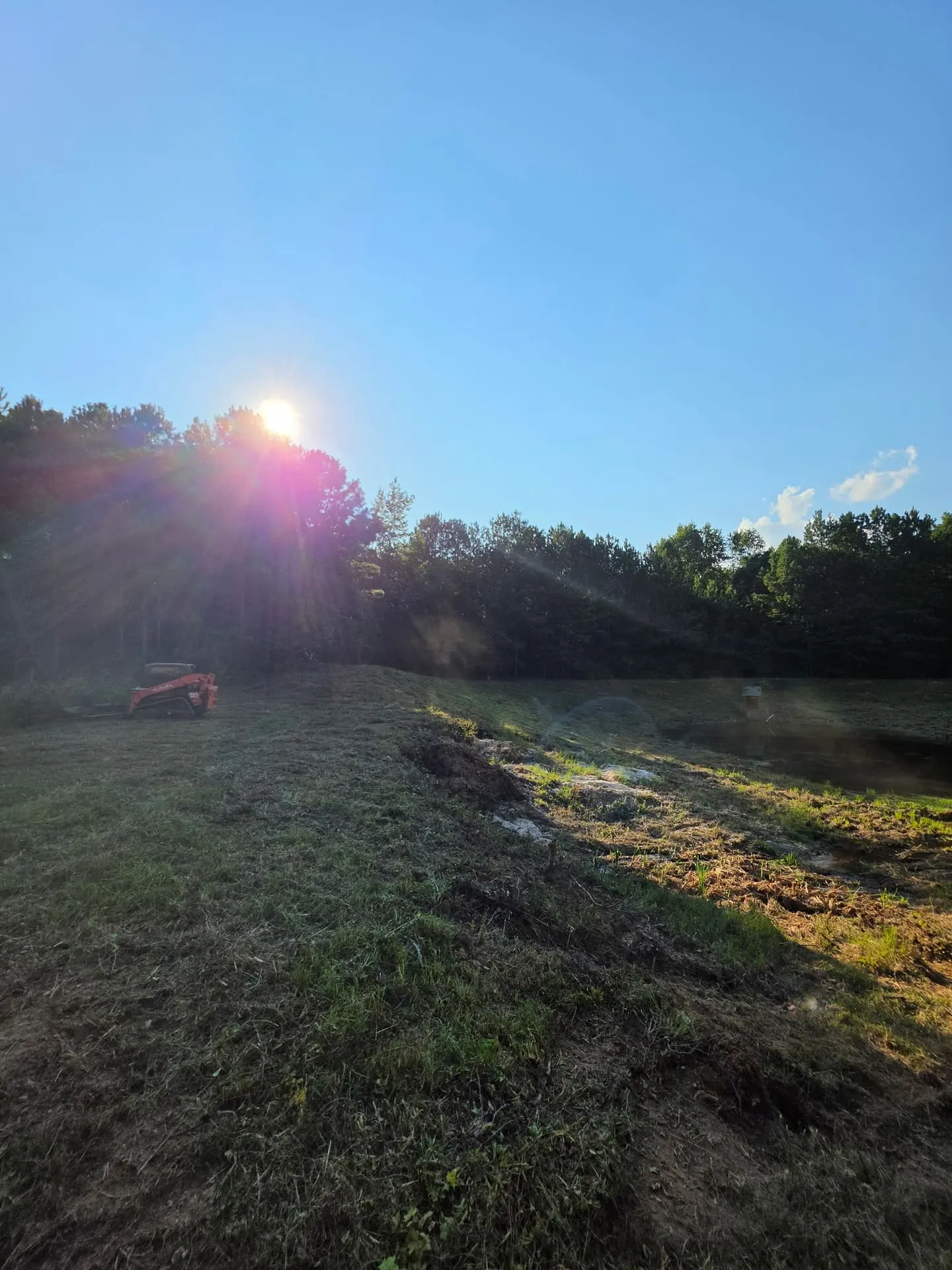
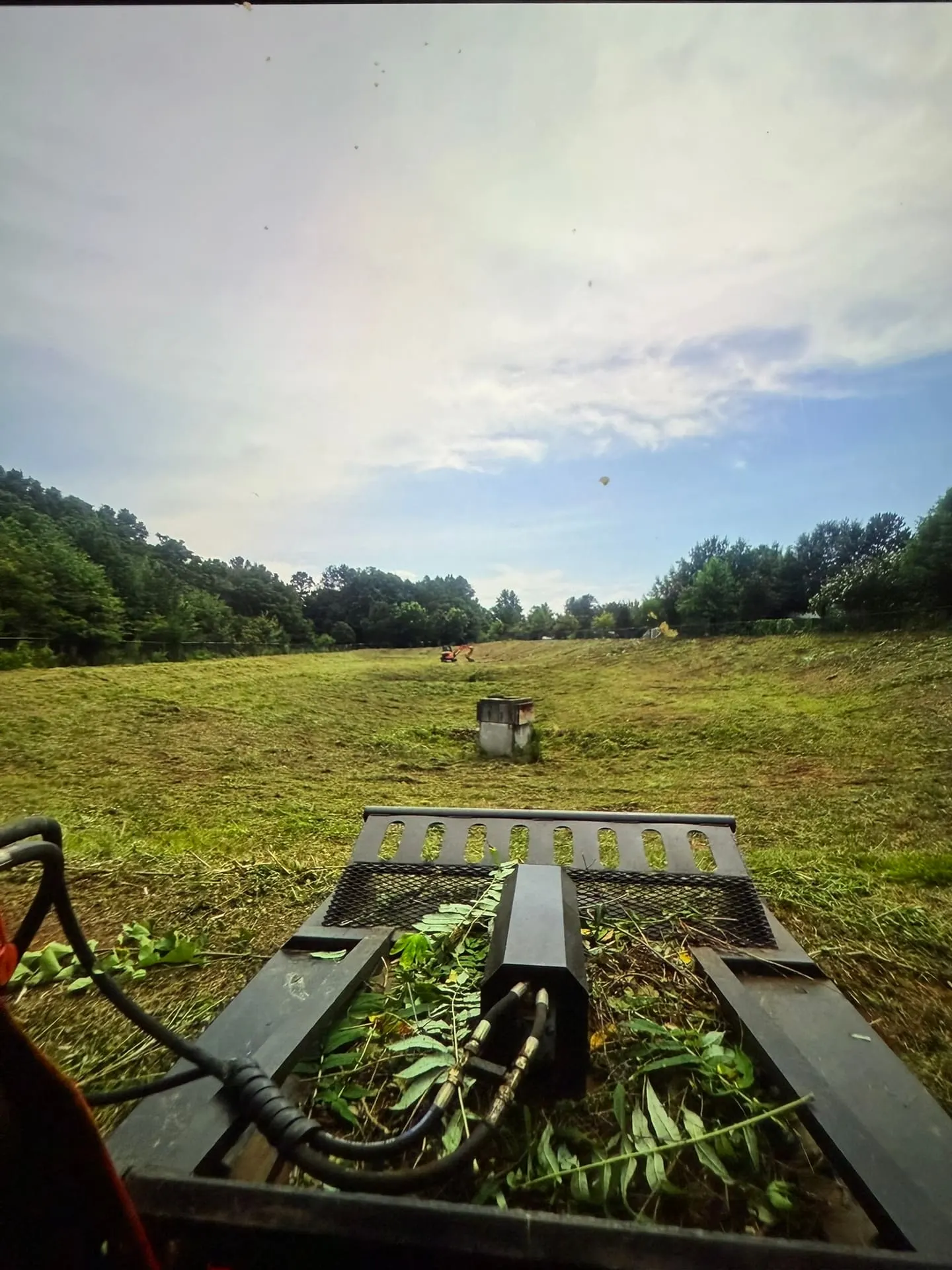
Overgrown field cut back with a brush cutter at dusk

The right machine for the ground

Open fields and flat ground get a skid steer with a heavy brush cutter on the front. It walks through tall growth and saplings and leaves the ground covered in chopped mulch instead of piles to haul off.

Edges, slopes, ditches and paths get a mini excavator with a mulching head on the arm. It reaches into places a tractor can't drive, and it lets us cut around the trees, fences and outbuildings you want left alone.

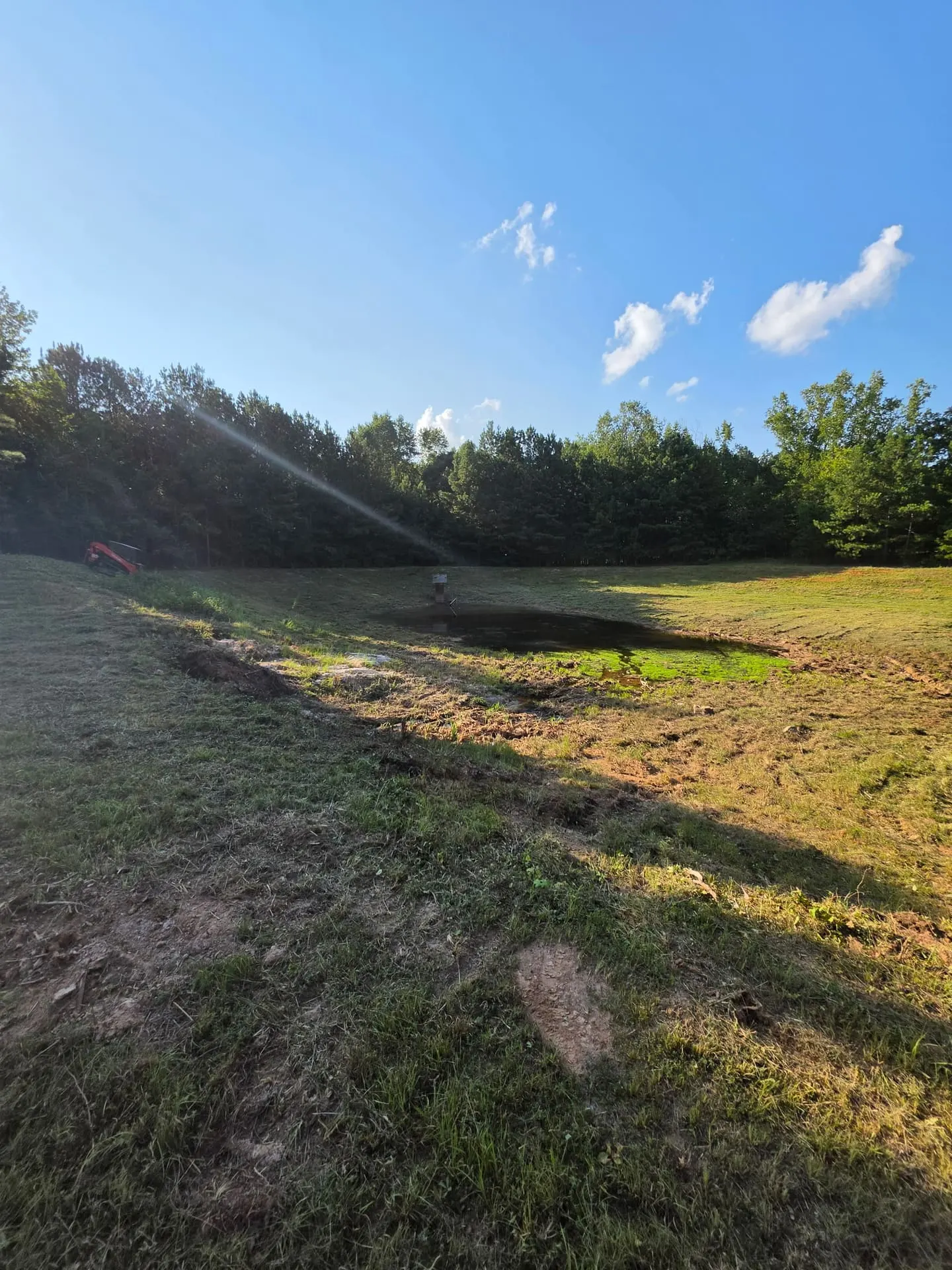
Pasture cut back from overgrown brush

Will it grow back?

Some of it will. Grass and weeds come back like any lawn, and regular mowing keeps them down once the brush is gone. Chinese privet, which fills in a lot of Athens-area yards and fence lines, sprouts again from its cut stumps, and University of Georgia Extension notes that cutting alone won't kill it.

So plan on a follow-up. A second cut the next season, while the new growth is still small, goes much faster than the first. If you'd rather turn the area into usable yard for good, ask about grading and leveling once it's cleared.

Overgrown field cut back at sunrise

Brush near a creek or stream

Georgia protects a strip of land along streams, and Athens-Clarke County keeps a 75-foot buffer from the bank on most streams that run year-round, with limits on heavy equipment and on removing healthy trees inside it. If your brush runs down to a creek, tell us when you reach out so the cut is planned around it.

Field edge cleared of brush

How it works

How a job goes.

  1. 01

    Send a photo or two

    Call, text or use the form. Photos of the overgrown area and a rough idea of its size help us give you a straight answer fast.

  2. 02

    We walk it with you

    We look at the growth, the slope and how we get in, and you show us what stays: trees, fences, gardens, anything we should work around.

  3. 03

    Cut and mulched

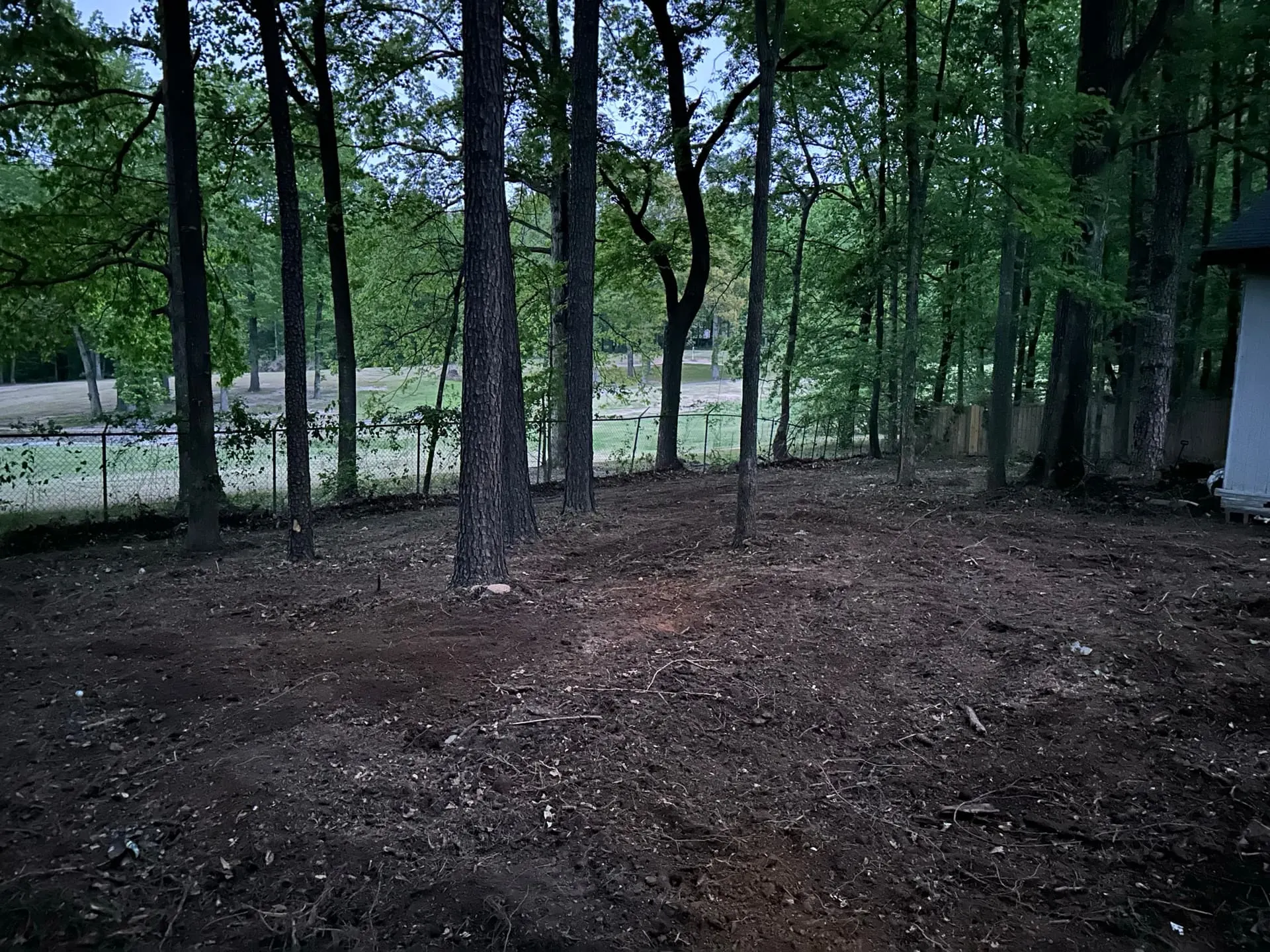
    The brush is cut down and mulched in place. The ground ends up covered in a layer of chips that protects the soil while it settles.

  4. 04

    Walk it again

    We look over the finished ground with you before we leave, so you see exactly what you're getting.

Cost

What sets
the price.

Every property is different, so every job is priced for yours. Send a couple of photos and we'll talk it through.

How thick it is
Tall grass and weeds go fast. Dense privet, briars and saplings take longer to cut and mulch.
How much ground
A strip along a fence line and a few acres of old pasture are very different jobs.
Slope and access
Steep banks, wet spots and tight gates slow the machines down.
What stays
Working carefully around trees, fences and buildings takes more time than an open field.

Recent brush cutting jobs

See all photos

Questions

What people ask.

What happens to the brush after you cut it?
It's mulched in place. The cutter chops the brush into chips that stay on the ground and break down over time, so there are no burn piles and no trailer loads to haul away. If there's other debris on the property you want picked up, that's our lot clean up work.
Do you take out stumps and roots?
Brush cutting takes growth down to the ground but leaves the roots in the soil. If stumps, roots or bigger trees need to come out so the ground can be seeded or built on, that's land clearing, and we can do both on the same property.
Can you leave some of the trees?
Yes. Before we start, walk the property with us and point out what stays. The excavator lets us cut right up to a tree, fence or shed without touching it, which is how most homeowners want their land cleared.
How soon will the brush grow back?
Weeds and grass come back within a season, like any lawn. Privet and sweetgum sprout again from their stumps, so a follow-up cut the next year, while the growth is small, keeps them from taking over again. Regular mowing afterward keeps the ground open.
Is my job too small?
No. We work for homeowners, and a single overgrown fence line or corner of the backyard is a normal job for us. Send a photo and we'll tell you what it takes.
Do I need a permit for brush cutting?
Cutting brush on your own land usually doesn't need one, but streams are different. Athens-Clarke County keeps a 75-foot buffer on most year-round streams, and other counties set their own rules. Tell us if there's water on the property, and check with your county before a large job.

Often paired with

Tell us about
your property.

Send a few details and a photo if you have one. Dustin will call you back about your property.

Last updated November 18, 2026

Get a free estimate

* Required

This site is protected by reCAPTCHA and the Google Privacy Policy and Terms of Service apply.